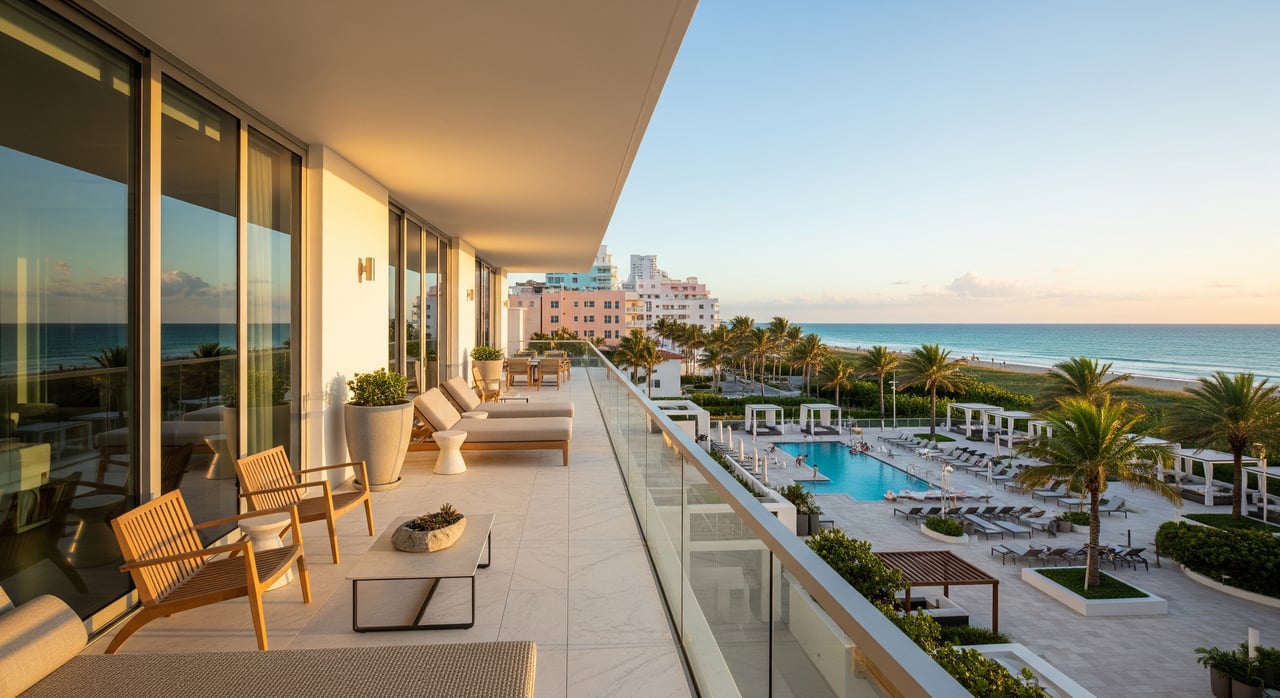
Thinking about a place in South Beach and torn between a condo-hotel and a traditional condo? You are not alone. Each option can work well in 33139, but the right fit depends on how you plan to use the property, how you plan to finance it, and how hands-on you want to be. In this guide, you will learn the key differences, the rules that matter in Miami Beach, and a simple framework to choose with confidence. Let’s dive in.
Condotel vs traditional condo: the essentials
What is a condo-hotel?
A condo-hotel, also called a condotel, is a condominium that operates like a hotel. You own your unit, and an on-site management company runs centralized reservations, housekeeping, and guest services. Many condotels focus on short-term stays, offer concierge service, and have rules about furnishings. Some include a rental pool where income is shared after management fees.
What is a traditional condo?
A traditional condo is a residential building governed by a condo association. You control how you use your unit within the rules of the association. Some buildings allow short-term rentals, some restrict them, and some focus on longer leases. Rentals are often arranged by you, unless the association offers an optional program.
Key operational differences
- Condotels run like hotels at the project level, which affects financing, insurance, and taxes.
- Traditional condos operate under residential bylaws. They are more likely to meet common mortgage guidelines if the building qualifies.
- Condotels may impose owner-use calendars, blackout dates, and standardized furniture requirements. Traditional condos rarely do.
South Beach rules and taxes you need to know
Short-term rental legality in 33139
Miami Beach and Miami-Dade regulate short-term rentals and transient lodging. Zoning, building rules, and licensing can limit or ban short stays in certain districts. On top of that, each association can set its own restrictions. Always verify City of Miami Beach ordinances, county licensing rules, and the building’s documents before you buy.
Taxes on rental income
Short-term rentals in Florida can trigger state sales tax and local lodging or tourist taxes. Managers of rental pools often collect and remit those taxes for bookings they handle, but responsibilities vary. Your rental income is taxable at the federal level. How it is reported depends on the services provided and your level of involvement. A CPA can advise you on deductions like depreciation, management fees, and operating costs.
What to review in the docs
Florida’s Condominium Act governs association operations, budgets, reserves, assessments, and disclosures. Condotels may also have hotel management and franchise agreements that affect your rights. Review the condominium declaration, bylaws, rules, rental pool contract, management agreement, and any franchise agreement with a local attorney before you remove contingencies.
Financing reality in Miami Beach
Why financing differs
Many agency mortgage programs are restrictive toward condo-hotels. Condotels often do not meet Fannie Mae or Freddie Mac standards. FHA and VA project approvals are also strict and are less common for condotels. As a result, condotel buyers often use portfolio lenders, put more money down, and accept higher rates. Cash deals are common.
What lenders check
- Whether the project is classified as a condotel or as a residential condo.
- Down payment and reserve requirements, which can be higher for condotels.
- Owner-occupancy ratios, investor concentration, budget and reserves, and any litigation.
- Any mandatory rental program provisions that limit owner control.
Action steps before you tour
- Get a written statement from a lender about project eligibility and loan terms for your target buildings.
- Ask whether the building is on any restricted list or flagged as a condotel.
- Confirm down payment, rate premiums, reserve requirements, and timing, so you can write a strong, clean offer.
Income, costs, and cash flow
HOA and hotel-level costs
Condotels usually have higher HOA or association fees because they fund hotel services such as front-desk staffing, daily housekeeping, marketing, and insurance. Some also require FF&E reserves and periodic furniture replacement. Traditional condos often have lower operating costs, but fees can still be substantial in luxury or waterfront buildings. Watch for special assessments in both property types.
Rental programs explained
- Mandatory rental pool: Income is pooled and split after fees. You may have less control over rates and booking rules.
- Optional manager: You can opt in for bookings and have the manager remit proceeds after fees.
- Owner-managed: You set rates and handle bookings yourself if the association permits it. This is more common in traditional condos that allow short-term rentals.
What drives revenue in 33139
South Beach is seasonal, with busy periods and slower months. Rates and occupancy vary by location, brand strength, unit size and condition, and the quality of management and marketing. Condotels can achieve strong nightly rates, but net income is reduced by management and program costs. Traditional long-term rentals may offer steadier cash flow with fewer variable expenses.
Which buyer are you?
- Investor focused on short-term income: You value occupancy, marketing reach, and professional management. A condotel can work if you accept fees and revenue swings.
- Owner-user or vacation buyer: You want convenience, housekeeping, and a lock-and-leave setup. A condotel or a flexible rental condo can be a good match.
- Primary residence buyer: You want financing access, stability, and a residential feel. A traditional condo with stronger eligibility is often best.
- Pied-à-terre buyer: You prefer low upkeep and occasional use. A condotel’s services can be attractive, if the owner-use calendar fits your plans.
Quick decision framework
- Define your main goal: primary home, vacation use, or income.
- Set your holding period and liquidity needs. Condotels can be less liquid in a downturn.
- Confirm financing early. Get preapproved and verify building eligibility in writing.
- Review rental terms and sample profit and loss statements, including owner-use windows and blackout dates.
- Model all costs: HOA, FF&E, insurance, taxes, and possible assessments.
- Discuss tax treatment with a CPA, including depreciation and reporting.
- Have an attorney review condo docs, rental and management contracts, and any franchise agreement.
- Compare comps and performance: occupancy, ADR, and sales for similar units.
- Align with your risk tolerance and write terms that protect you, such as financing and document-review contingencies.
Red flags to watch
- Mandatory rental pool with limited transparency on revenue.
- Owner-use periods that do not match your plan.
- High management fees, frequent FF&E replacements, or recurring assessments.
- Pending litigation, thin reserves, or no recent reserve study.
- Financing barriers that shrink the pool of future buyers.
South Beach building archetypes
Full-service branded condotel
- Pros: Strong marketing and ADR potential, concierge services, turnkey experience.
- Cons: Higher fees, brand obligations, financing limits, FF&E outlays.
Boutique condotel
- Pros: Intimate scale and unique positioning, sometimes lower fees than big brands.
- Cons: Performance depends on operator skill and marketing reach.
Residential condo that allows STRs
- Pros: More conventional financing access if the project qualifies, more control over rentals, potential to self-manage.
- Cons: Community conflicts over STRs can arise, and enforcement varies.
Residential condo with long-term focus
- Pros: Stable community and lender friendliness.
- Cons: Less income flexibility.
Mixed-use hotel plus residential
- Pros: Residential owners may avoid hotel burdens while enjoying shared amenities.
- Cons: Complex rules and cost sharing across components.
Compare your options at a glance
| Buyer objective | Best-fit building types | Top 5 documents to request |
|---|---|---|
| Primary residence and financing access | Residential condo with long-term focus; some flexible-rental condos that meet agency standards | Condo declaration and bylaws; rules and regulations; current budget and reserve study; litigation and insurance certificates; lender project eligibility letter |
| Vacation use with full services | Full-service branded condotel; boutique condotel | Management agreement; rental pool contract and owner-use calendar; FF&E schedule and reserve terms; recent owner statements with fees and net; association financials and minutes |
| Short-term income focus | Full-service or boutique condotel; residential condo that allows STRs | Historical occupancy and ADR comps; sample unit P&L for 12–36 months; rental program fee schedule; tax collection and remittance details; special assessment history |
| Low-upkeep pied-à-terre | Condotel or flexible-rental condo | House rules for owner stays and blackout dates; cleaning and service fees; furnishing standards; insurance coverage details; transfer and approval procedures |
Next steps with a trusted advisor
You do not have to navigate this alone. Before you write an offer, line up three experts: a local lender to confirm building eligibility, a real estate attorney to review the documents, and a CPA to structure your tax approach. Then request rental statements and association financials so you can model the true net.
If you want a curated list of 33139 buildings that fit your goals, along with conservative cash flow models and a clean path to close, schedule a Private Consultation with our senior team at The Corcoran Group. We will help you compare options, secure the right terms, and move forward with confidence.
FAQs
Can you finance a South Beach condo-hotel with a conventional loan?
- Possibly, but many agency programs exclude condotels. Expect higher down payments or portfolio lending, so confirm eligibility with a lender early.
Who collects taxes on South Beach short-term rentals?
- Often the on-site manager collects and remits taxes for rental pool bookings, but responsibilities vary. Verify the setup and your reporting with the manager and a CPA.
Which is better for income, a condotel or a traditional condo?
- Condotels can earn higher nightly rates, but fees and operating costs reduce net income. Long-term rentals may be steadier. Performance depends on management and seasonality.
Are condo-hotels harder to resell in 33139?
- They can be. Financing limits and tourism cycles can narrow the buyer pool. This can affect pricing and time on market compared with traditional condos.
What should I review before buying into a rental program?
- Read the rental pool and management agreements, owner-use calendar, fee schedule, and sample owner statements. Have an attorney review the full condo and franchise documents.
Do all traditional condos in South Beach allow short-term rentals?
- No. Rules vary by building and by local zoning. Confirm association restrictions and local licensing before you assume a unit can be rented short term.