Are you eyeing a condo in Bay Harbor Islands or preparing to sell? You are right to focus on milestone inspections and reserves. These two factors drive dues, special assessments, financing options, insurance costs, and ultimately resale value. In this guide, you will learn how the rules apply locally, what to request from an association, and how to read the financial signals that matter. Let’s dive in.
Milestone inspections explained
Milestone inspections are structural and building envelope evaluations for multi-story condos. They are designed to identify deferred maintenance, corrosion, water intrusion, and structural damage before issues escalate. The resulting engineer’s report can trigger required repairs, timelines, and follow-up inspections.
Florida adopted post-collapse inspection requirements for buildings at or above three stories. Initial inspections are generally tied to building age. Many practitioners describe an initial trigger at 30 years, or 25 years if the building is within three miles of a coastline, with reinspections at regular intervals. Always confirm the specific deadline that applies to your building.
Miami-Dade’s 40-year program
Miami-Dade County also runs a 40-year recertification program with 10-year intervals afterward. Municipalities, including Bay Harbor Islands, coordinate with the county’s enforcement protocols. If state and county timelines differ, the more stringent standard or the earlier deadline typically controls. Associations must obtain the necessary certificates of compliance and complete any required remediation.
Why Bay Harbor Islands is unique
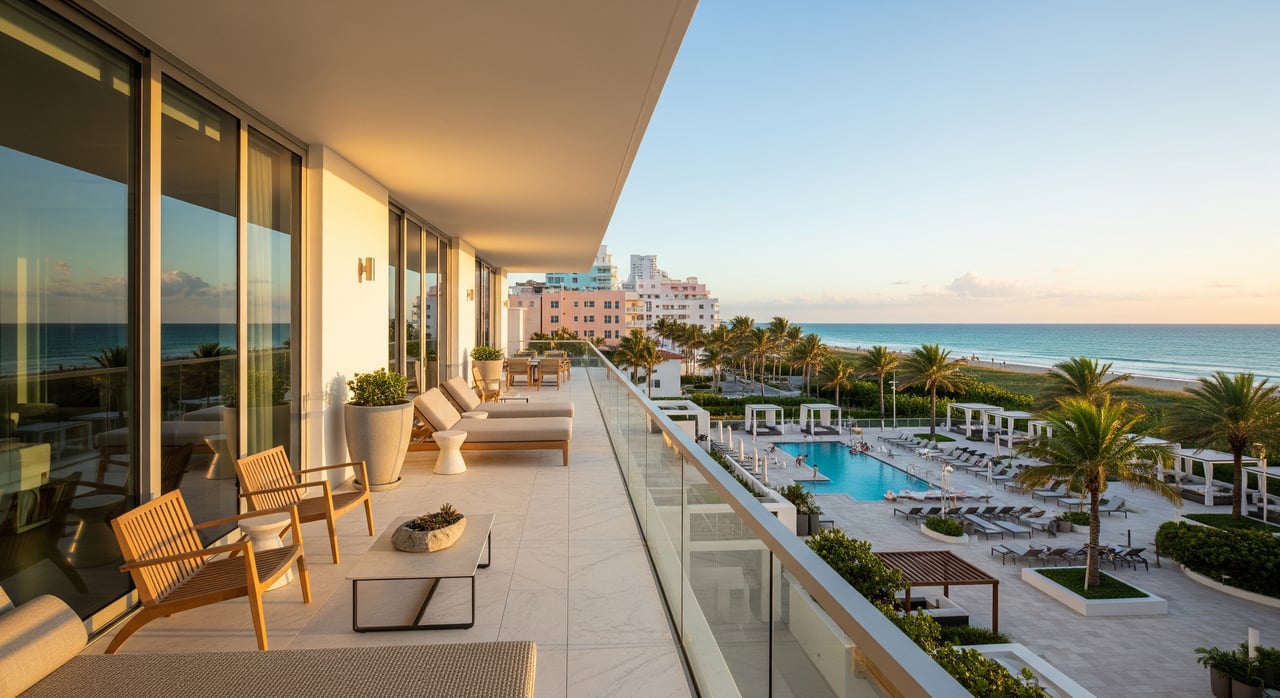
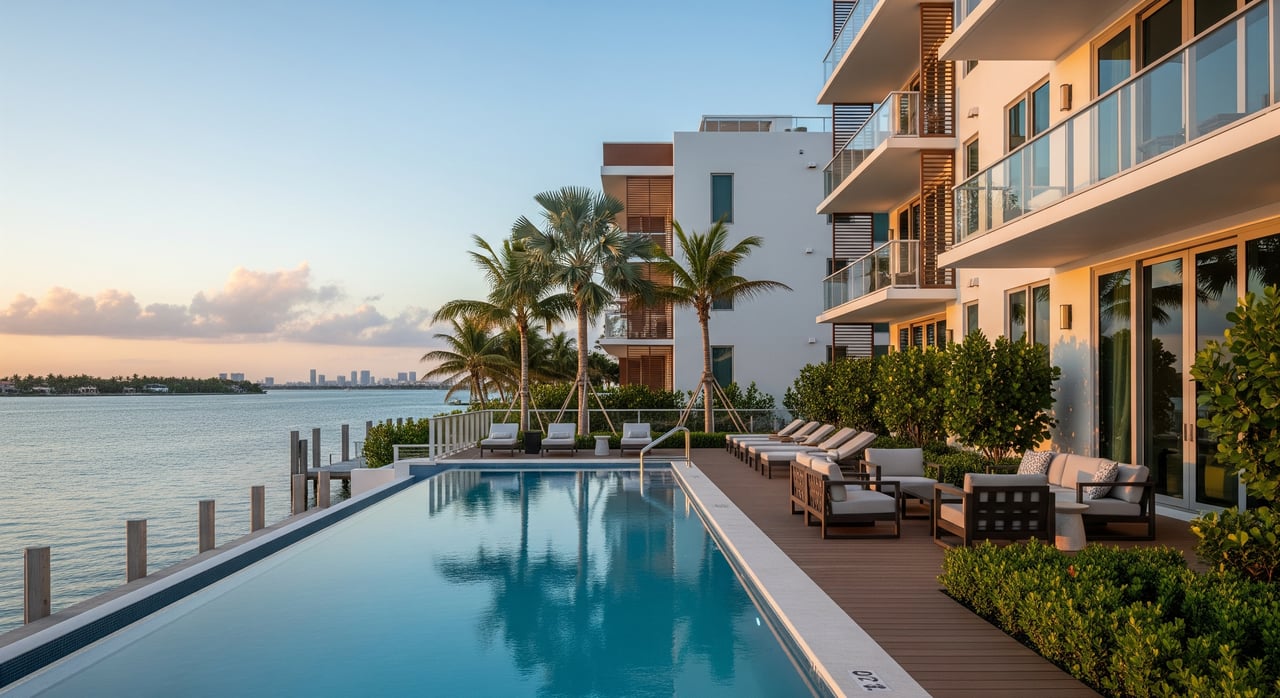
Bay Harbor Islands sits near open water, with many buildings close to Biscayne Bay and the Atlantic. Salt air and high moisture accelerate concrete and balcony deterioration, waterproofing failures, and façade wear. That exposure increases the likelihood of near-term capital projects and can shorten the cycle between major repairs. For you as a buyer or seller, that makes current inspection reports and repair history essential reading.
Condo reserves and why they matter
Association reserves are savings held for future capital expenditures and major repairs. Reserves are separate from operating funds and are meant to address big-ticket items without relying solely on special assessments.
Typical South Florida components include concrete restoration, balconies, slabs and columns, roofs, exterior paint and waterproofing, elevators, HVAC chillers, pool and mechanical systems, parking structures, and seawalls. In coastal settings, these systems face higher wear.
Reserve studies and funding levels
A reserve study estimates the useful life and replacement cost of major components and sets a recommended funding plan. Strong practice is to update the study every 3 to 5 years, or sooner if inspections reveal new conditions. After a recent milestone inspection, boards often update the reserve study to reflect any new structural priorities.
Key metrics to review include the current reserve balance, trends over several years, and the percent funded versus the study’s recommended target. A low percent funded increases the risk of special assessments when major work is needed.
How inspections and reserves hit your wallet
When a milestone or recertification inspection identifies issues, the association must create a remediation plan. That plan drives real costs that affect owners.
- Dues and special assessments: Boards may raise monthly dues or adopt special assessments to pay for repairs. The amount and timing depend on cost estimates, reserve status, and whether the association pursues a loan.
- Lending and appraisals: Lenders review project health, reserves, and any special assessments. Significant issues can restrict financing options or change underwriting, which can impact appraised values and buyer demand.
- Insurance: In Florida, insurers consider building condition and location. If an inspection identifies deficiencies, insurers may require remediation or adjust coverage and pricing.
- Market value: A healthy reserve fund and recent, addressed inspection report can be a selling point. Conversely, buildings with large unfunded repairs or pending assessments often sell at a discount.
Buyer due diligence in Bay Harbor Islands
Put structure and reserves at the center of your review. You are not just buying a unit. You are buying into a building’s physical condition and financial plan.
Request these documents early
- Most recent milestone or Miami-Dade recertification engineer reports, plus follow-up reports
- Certificates of compliance or recertification issued by local or county authorities
- Current reserve study and the date prepared, including any updates after inspections
- Current and prior-year association budgets, plus actual financials
- Reserve account statements and breakdown of restricted funds
- Board meeting minutes from the last 12 to 36 months, focusing on inspections, repairs, and votes
- Estoppel letter showing outstanding and pending special assessments
- Insurance declarations for master policies, including wind and flood deductibles
- Any litigation, contractor claims, and correspondence with building departments
- Contracts with engineers, contractors, construction managers, and any loan agreements for capital work
Ask targeted questions
- Which milestone or recertification inspections are complete, and what did they find? May I review full reports and action plans?
- Have certificates of compliance been issued? When is the next required inspection?
- What repairs are required, and what is the engineering remediation plan and timeline?
- How will repairs be funded: reserves, special assessments, loans, or a mix? What is the expected assessment range per unit and timing?
- What is the current reserve balance and what percent of recommended funding does that represent?
- Has the association voted to waive or reduce reserves in the past? Where are those votes recorded?
- Are there any insurance conditions tied to repairs, or material changes to premiums and deductibles in the last 1 to 3 years?
Red flags to investigate further
- No or outdated engineering reports after a required deadline
- Reserve studies older than 3 to 5 years or reserves far below recommended targets
- Large assessments without detailed plans, bids, or signed contracts
- Ongoing litigation over structural or contractor matters
- Insurance exclusions for structural items or unusually high deductibles
- Repeated reserve waivers without a clear strategy
A practical buyer timeline
- Offer stage: request the estoppel letter, recent minutes, and certificate of insurance
- During contingencies: review inspection reports, reserve study, and estoppel details on any pending assessments
- If risks appear: consider an independent structural engineer review, consult a Florida condo attorney, and confirm lender acceptance of the project
Seller preparation in Bay Harbor Islands
If you plan to list, prepare a clean, complete file. Buyers and lenders are asking more questions than ever.
- Gather and organize milestone or recertification reports, reserve studies, budgets, and proof of completed work.
- Disclose any pending or recently adopted special assessments and explain the funding plan.
- Highlight completed remediation and current certificates of compliance.
- Coordinate with your property manager and board so responses to buyer requests are accurate and fast.
A complete and transparent package can shorten time on market, reduce retrades, and support stronger offers. In luxury and second-home markets, preparedness signals quality and reduces uncertainty.
Interpreting real signals vs noise
Inspection findings and reserve balances vary by building. Your goal is to separate cosmetic items from structural priorities with real capital impact.
- Look for engineer-defined scope and timelines for concrete, waterproofing, and envelope work.
- Compare the reserve study’s component list to the inspection findings to see if major items are fully reflected.
- Focus on signed contracts, permits, and funding mechanics rather than informal estimates.
In Bay Harbor Islands, saltwater exposure and coastal wind loads make concrete restoration, balcony repairs, and waterproofing common line items. When those are paired with disciplined reserves and documented remediation, the building’s long-term profile improves.
Working with the right advisors
This is a team sport. Consider engaging professionals who routinely handle Miami-Dade recertification and Florida milestone requirements. Useful resources include local building departments, structural engineers with coastal experience, reserve study specialists, Florida condo attorneys, condo-savvy lenders, and experienced insurance brokers.
A seasoned real estate advisor should coordinate these pieces, help you evaluate risk, and keep negotiations focused on facts. That protects your financing timeline and positions you for better pricing and terms.
How we help you make the right call
At the luxury level, the stakes are high. You deserve senior attention, rigorous due diligence, and transparent financial modeling before you commit. Our approach emphasizes onsite review, disciplined document requests, and proactive coordination with engineers, lenders, and insurers so you can move confidently.
If you want a discreet conversation about a specific Bay Harbor Islands building or a curated short list that aligns with your risk tolerance, we are ready to help. Connect with our senior-led team for a thoughtful, no-pressure strategy session.
Ready to evaluate a building or prepare your condo for market? Reach out for a private, confidential consultation with The Corcoran Group.
FAQs
What is a Florida milestone inspection?
- It is a structural and building envelope evaluation for multi-story condos that identifies deferred maintenance, corrosion, water intrusion, and structural damage, often leading to required repairs and timelines.
How do state and Miami-Dade rules interact?
- Miami-Dade runs a 40-year recertification with 10-year intervals, while Florida has milestone triggers tied to building age; the stricter or earlier requirement usually controls.
What reserve documents should I request as a buyer?
- Ask for the latest reserve study, current reserve balance, recent budgets and financials, and any updates completed after milestone or recertification inspections.
Can low reserves affect my mortgage approval?
- Yes. Lenders review project health, reserves, and special assessments, and significant deficiencies can restrict financing options or change underwriting.
How do milestone findings influence condo value?
- Addressed inspection reports and healthy reserves can support value, while unfunded repairs or large pending assessments often pressure pricing.
What should Bay Harbor sellers prepare before listing?
- Assemble inspection reports, reserve studies, budgets, proof of completed work, and disclosures on assessments, and be ready to explain funding and timelines clearly.